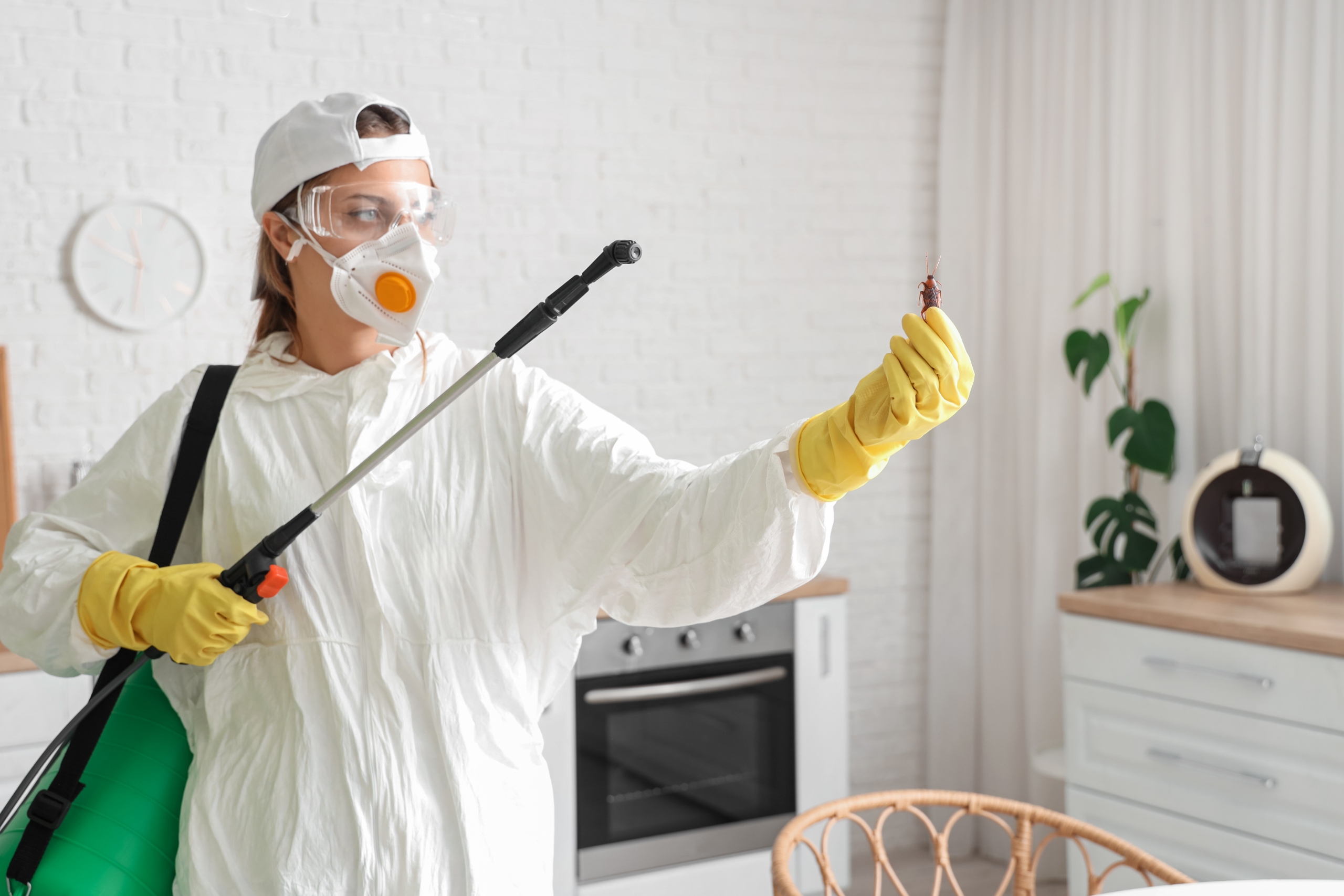
Household pests are more than just an inconvenience. Ants, cockroaches, mosquitoes, termites, rats, and other unwanted visitors can damage property, contaminate food, and create serious hygiene problems. Many homeowners only take action once pests become visible, but by that point, the infestation is often already established. The best approach is prevention—creating a home environment that pests cannot easily enter, survive in, or multiply within.
Preventing pests is not about using harsh chemicals everywhere. In many cases, simple habits such as proper cleaning, sealing entry points, and managing moisture can significantly reduce pest problems. The goal is to remove the things pests love most: food, water, shelter, and easy access.
This article explains practical and effective ways to prevent different pests from invading a home. It covers common pest entry points, kitchen and bathroom prevention, outdoor maintenance, safe repellents, and long-term pest-proofing strategies. These tips help homeowners protect their spaces while maintaining a clean, comfortable, and healthier home environment.
Identify Common Entry Points Pests Use to Enter Homes
One of the most effective ways to prevent pests is understanding how they get inside. Many pests enter through tiny gaps that homeowners rarely notice. Ants can squeeze through hairline cracks, cockroaches slip under loose doors, and rats can fit through surprisingly small holes.
The most common entry points include gaps under doors, cracks around windows, holes near plumbing lines, and unsealed vents. Even small openings around air conditioning units or electrical wiring can become entry routes.
Homeowners should inspect their house regularly, especially in kitchens, basements, and storage areas. Using caulk to seal cracks and installing door sweeps can prevent insects from crawling inside. For larger pests such as rodents, steel wool or wire mesh is often used to block holes.
Window screens should also be checked for tears. Even a small hole can allow mosquitoes and flies into the home. If screens are damaged, replacing them quickly reduces pest problems.
Within the broader scope of home and garden pest prevention strategies for clean living, sealing entry points is one of the strongest long-term solutions because it prevents infestations before they start.
Keep Kitchens Clean to Prevent Ants, Roaches, and Flies
The kitchen is the most common hotspot for pests because it offers easy access to food. Even if a home looks clean, small crumbs, spills, and uncovered food can attract insects quickly.
Preventing kitchen pests begins with daily habits. Wiping countertops after cooking, sweeping floors regularly, and cleaning under appliances reduces food sources. Pests such as cockroaches often hide behind refrigerators and ovens, feeding on grease and crumbs.
Food storage also matters. Dry goods such as rice, cereal, and flour should be stored in sealed containers. Open packages attract pantry pests like weevils and ants. Fruits should not be left exposed for too long, especially in warmer climates.
Trash management is another key factor. Garbage bins should have tight-fitting lids, and trash should be taken out regularly. Flies and roaches are strongly attracted to food waste.
Even pet food can attract pests. Leaving pet bowls full overnight can invite ants and cockroaches into the kitchen.
A clean kitchen reduces pest attraction dramatically and supports a healthier home overall.
Control Moisture to Prevent Termites, Mosquitoes, and Mold-Loving Pests
Moisture is one of the biggest reasons pests thrive inside homes. Many insects and rodents are drawn to damp environments because water supports survival and breeding.
Bathrooms, laundry rooms, and basements are common moisture zones. Leaky pipes, clogged drains, and poor ventilation create conditions that attract cockroaches, silverfish, and even termites.
Fixing leaks quickly is one of the best pest prevention habits. Homeowners should check under sinks, around toilets, and behind washing machines for signs of water damage.
Proper ventilation also matters. Exhaust fans in bathrooms reduce humidity and prevent mold growth. Dehumidifiers can help in damp basements or areas with poor airflow.
Outdoor moisture issues are also important. Standing water in plant pots, buckets, and clogged gutters can become mosquito breeding grounds. Even small puddles can support mosquito larvae.
For homeowners seeking practical home maintenance tips for pest-free living, moisture control is one of the most overlooked but powerful prevention strategies.
Yard and Garden Maintenance to Stop Outdoor Pests From Moving Indoors
Many household pests begin outside and eventually move indoors when conditions become favorable. That is why yard maintenance is a major part of pest prevention.
Overgrown grass, piles of leaves, and stacked wood provide shelter for insects and rodents. Keeping the yard clean and trimmed reduces hiding places. Firewood should be stored away from the house, not directly against walls.
Shrubs and tree branches should also be trimmed. When plants touch the house, they create bridges for ants, spiders, and other insects to enter through windows and roof edges.
Garden pests such as snails, beetles, and mosquitoes can also increase in poorly maintained outdoor areas. Removing standing water and cleaning gutters reduces breeding zones.
Outdoor lighting can attract bugs at night. Switching to warm, yellow-toned bulbs can reduce insect attraction near doors and windows.
A clean yard acts as the first defense line. When outdoor pest populations are reduced, indoor infestations become far less likely.
Safe Repellents and Natural Pest Control Options
Not everyone wants to rely heavily on chemical sprays. Many homeowners prefer safer repellents, especially in homes with children, pets, or sensitive individuals.
Natural options such as peppermint oil, vinegar solutions, and citrus-based cleaners can help repel certain insects. For example, peppermint oil is often used to discourage ants and spiders. Vinegar is commonly used for cleaning surfaces that ants travel across.
However, natural repellents should be viewed as supportive tools, not guaranteed solutions. They work best when combined with cleaning and sealing strategies.
Traps and baits are also effective. Ant baits help eliminate colonies, and roach traps reduce populations over time. Rodent traps should be placed strategically in areas where droppings or gnaw marks are found.
If using chemical pest control products, homeowners should follow instructions carefully and avoid overuse. Over-spraying can create health risks and may not solve the root problem.
The safest pest control plan is one that combines prevention with targeted, responsible treatment.
When to Call Professional Pest Control Services
Sometimes, prevention methods are not enough. If pests continue returning or an infestation becomes severe, professional pest control may be necessary.
Certain pests, such as termites, require specialized treatment because they can cause structural damage. Rodent infestations can also become dangerous due to contamination risks.
Professional services often include inspections, treatment plans, and follow-up visits. Many companies also provide prevention recommendations for long-term protection.
Homeowners should choose licensed pest control providers and avoid services that promise instant, permanent solutions without proper inspection. A good pest control company focuses on both elimination and prevention.
Even after professional treatment, homeowners should maintain cleanliness, moisture control, and sealed entry points to prevent reinfestation.
For readers seeking practical home improvement advice for safer everyday living, knowing when to involve professionals can save time, money, and stress in the long run.
Conclusion
Preventing household pests is far easier and more affordable than dealing with a full infestation. The most effective pest control begins with understanding how pests enter the home and sealing common entry points such as cracks, gaps, vents, and loose doors. Maintaining a clean kitchen reduces food sources that attract ants, cockroaches, and flies, while controlling moisture helps prevent pests that thrive in damp conditions such as termites, silverfish, and mosquitoes. Outdoor maintenance also plays a major role, since many pests begin in the yard before moving indoors. Trimming plants, removing clutter, and eliminating standing water can reduce pest activity around the home. Safe repellents and targeted traps can support prevention, especially for homeowners who prefer minimal chemical use. When infestations become severe or involve high-risk pests like termites or rodents, professional pest control services may be the smartest option. With consistent habits and practical home care, homeowners can create a cleaner, healthier, and more comfortable living space that pests are far less likely to invade.