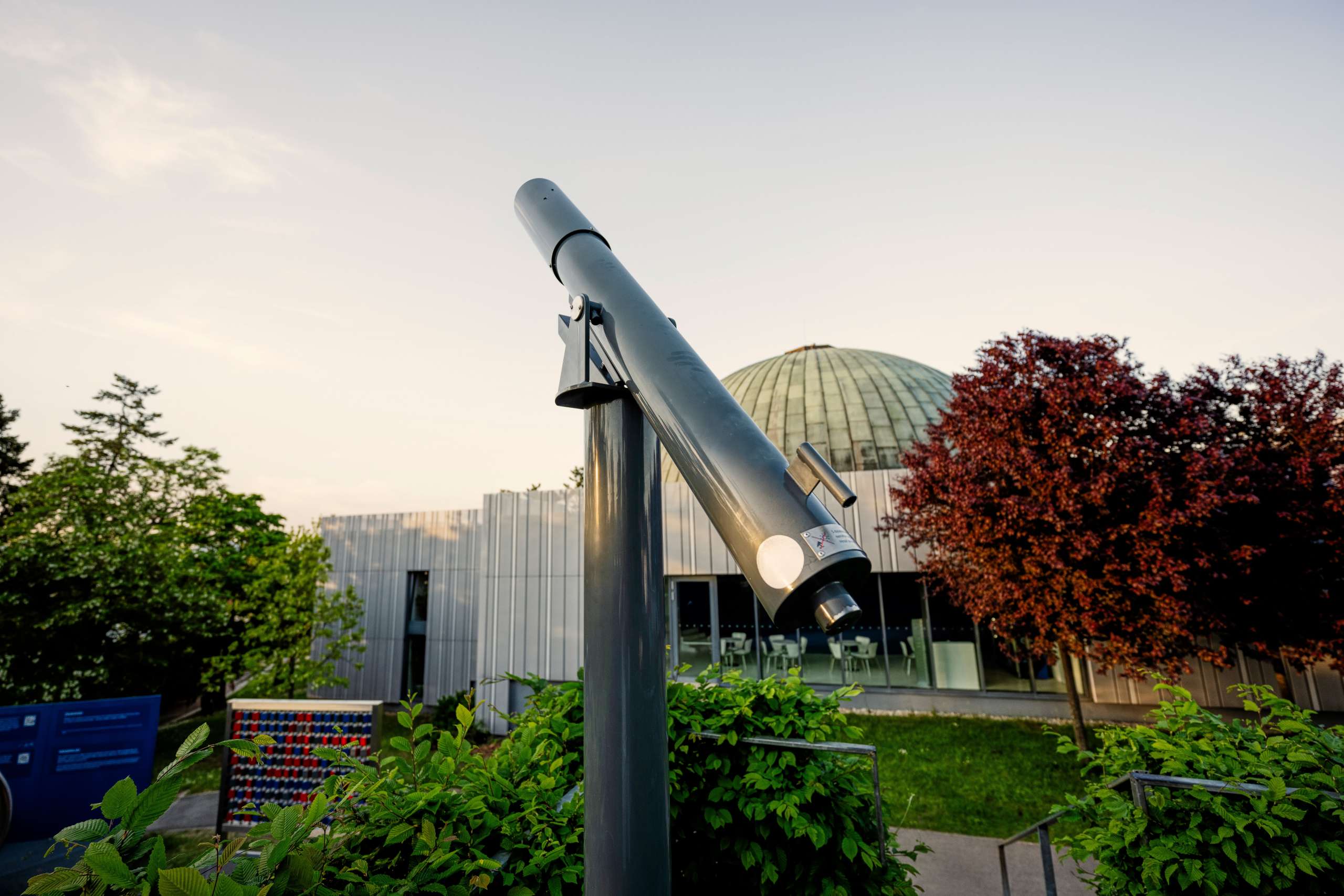
Astronomy is one of the most fascinating scientific fields, exploring planets, stars, galaxies, and the origins of the universe. However, pursuing astronomical studies requires more than curiosity and passion—it also demands financial planning. From undergraduate tuition fees to advanced research costs, studying astronomy can involve significant expenses. Many students are surprised to discover that laboratory equipment, telescope access, software tools, and research travel can add to the overall investment.
The financial commitment varies depending on the country, institution, and academic level. While some universities offer strong funding opportunities, others may require students to seek scholarships, grants, or part-time work. Beyond education, aspiring astronomers must also consider career-related expenses such as conference participation, specialized certifications, and relocation for observatory or research positions.
Understanding the financial side of astronomy helps students prepare realistically. This article explores tuition costs, equipment expenses, research funding options, scholarship opportunities, and long-term career returns for those considering a future in astronomical studies.
Tuition Fees for Astronomy Programs
The first major expense in astronomical study is tuition. Costs vary widely depending on whether a student attends a public or private university, studies locally or internationally, and pursues undergraduate or graduate degrees.
In many countries, public universities offer more affordable tuition for domestic students. However, international students often pay higher rates. Private institutions may charge significantly more, especially if they provide advanced research facilities and specialized astronomy laboratories.
Graduate programs in astronomy, astrophysics, or space science can sometimes be funded. Many PhD programs offer stipends and tuition waivers because graduate students contribute to research projects. However, undergraduate degrees are usually self-funded unless scholarships are available.
Additional academic costs include registration fees, laboratory fees, and access to observatory facilities. Some institutions charge for fieldwork or research participation, particularly if travel is involved.
For those exploring business and finance planning for specialized academic careers, tuition is only the starting point. Proper budgeting must include related academic and living expenses.
Equipment and Technology Expenses
Astronomy students often need access to specialized tools and software. While universities provide major observatory equipment, students may still need personal tools for coursework and research.
A basic telescope for learning purposes can range from affordable entry-level models to high-end equipment costing thousands of dollars. Advanced astrophotography equipment, including cameras, tracking mounts, and lenses, can significantly increase costs.
Software expenses are another factor. Astronomy programs often use data analysis tools, simulation programs, and coding platforms. While some software is free for students, others require subscriptions or licenses.
Computing power also matters. Astronomy involves handling large data sets from space observations. Students may need powerful laptops or desktops capable of running complex simulations.
These technology-related expenses can accumulate over time. Students should evaluate whether their university provides access to shared resources before purchasing personal equipment.
Careful planning ensures that investments are necessary and aligned with academic goals rather than impulse purchases.
Research Funding and Grants
Research is a major component of advanced astronomical study. Graduate students and researchers often rely on grants and funding programs to support their work. These funds can cover laboratory access, travel to observatories, conference participation, and publication fees.
National science foundations, space agencies, and private research institutions often provide grants. However, competition for funding can be intense. Strong academic performance and research proposals increase the likelihood of receiving financial support.
Many astronomy departments collaborate with international observatories and space agencies. Students involved in these projects may receive funding through institutional partnerships.
Travel is another expense. Observational research sometimes requires visiting remote observatories in high-altitude or isolated regions. These trips can be partially or fully funded depending on the program.
Understanding grant systems is essential for long-term success. Students who learn to apply for funding early gain valuable experience in managing research budgets.
Within the broader framework of financial strategy insights for long-term professional development, research funding plays a critical role in shaping academic careers.
Living Expenses During Astronomical Studies
Beyond tuition and equipment, students must consider daily living costs. Rent, utilities, food, transportation, and insurance vary depending on study location. Cities with strong astronomy programs may also have higher living expenses.
Students who relocate for observatory research may face temporary housing costs. In some cases, institutions provide accommodation, but this is not guaranteed.
Part-time work can help manage expenses, but balancing employment with demanding science coursework can be challenging. Astronomy programs often require lab work, research hours, and extensive study time.
Scholarships and assistantships reduce financial pressure. Teaching assistant roles are common for graduate students and can provide both income and professional experience.
Budgeting for living expenses ensures stability. Financial stress can impact academic performance, so realistic planning is essential before committing to long-term study.
Career Investment and Long-Term Return
Studying astronomy is not only an academic decision but also a career investment. Astronomy careers include research scientists, university professors, data analysts, aerospace engineers, and space agency professionals.
Entry-level research positions may not offer extremely high salaries initially, especially compared to corporate fields. However, long-term career growth can lead to stable and rewarding roles, particularly in government agencies or advanced research institutions.
Some astronomy graduates transition into related industries such as data science, engineering, finance analytics, or technology development. The analytical and programming skills developed in astronomy are highly transferable.
Students should evaluate potential salary ranges in their region. While passion is important, financial sustainability must also be considered.
Astronomy may not be the fastest path to wealth, but it can offer intellectual fulfillment and long-term stability when planned carefully.
Scholarships, Sponsorships, and Financial Planning Tips
There are numerous scholarship opportunities for students pursuing astronomy. Government-sponsored science programs, university merit scholarships, and private foundations often support STEM education.
International exchange programs may provide financial aid for research collaboration abroad. Students should research funding opportunities early, as deadlines are often strict.
Creating a financial plan before starting studies is highly recommended. This includes estimating tuition, equipment costs, living expenses, and emergency funds.
Seeking mentorship from academic advisors can also help identify hidden funding sources. Many departments have internal grants that are not widely advertised.
For readers seeking practical financial literacy guidance for career-focused learners, building a funding strategy is just as important as academic preparation.
Proper planning reduces uncertainty and allows students to focus on their scientific goals.
Conclusion
Studying astronomy requires both intellectual dedication and thoughtful financial preparation. Tuition fees, equipment investments, research travel, and living expenses can add up, especially at advanced academic levels. However, funding opportunities such as scholarships, grants, and teaching assistantships can significantly reduce financial burden. Graduate programs often provide research-based stipends, making long-term study more manageable for committed students. Beyond education, astronomy represents a long-term career investment that offers diverse opportunities in research, aerospace, technology, and data science. While it may not promise immediate financial wealth, it provides valuable analytical skills and potential for stable professional growth. Careful budgeting, early scholarship applications, and awareness of funding options are essential steps for aspiring astronomers. With realistic financial planning and strategic preparation, students can pursue their passion for the universe without unnecessary financial strain. Astronomy is both a scientific journey and a financial commitment, and understanding its costs helps transform curiosity into a sustainable and achievable career path.