Astronomy is one of the most exciting subjects to learn because it connects science, nature, and imagination. The best part is that people do not need a university lab or expensive observatory to start. Studying astronomy at home is possible for beginners, families, and hobbyists who simply want to understand the night sky and explore the universe from their own backyard, balcony, or even through online tools. With the right approach, anyone can learn about constellations, planets, moon phases, and deep-space objects without leaving home.
Modern technology has made home astronomy easier than ever. Smartphone stargazing apps, online courses, telescope guides, and astronomy communities allow learners to study at their own pace. Even without a telescope, the naked eye can reveal surprising details in the sky.
This article explains how to start studying astronomy at home, including simple equipment, beginner-friendly learning methods, stargazing routines, and practical tips for creating a comfortable home setup. It is designed to help readers build knowledge step by step while keeping the experience enjoyable and realistic.
Starting With the Basics: What Astronomy Covers
Before buying equipment or downloading apps, it helps to understand what astronomy actually includes. Many beginners think astronomy is only about stars and planets, but it is broader than that. Astronomy includes the study of galaxies, nebulae, black holes, comets, asteroids, and the physics of the universe.
At home, beginners can start with observational astronomy, which focuses on what can be seen in the night sky. This includes moon phases, constellations, and visible planets such as Venus, Mars, Jupiter, and Saturn.
The next step is understanding space concepts. Learning about gravity, light, time, and the scale of the universe makes stargazing more meaningful. It turns the sky into a learning experience instead of random dots of light.
Home astronomy is best approached like a long-term hobby. The goal is not to memorize everything at once, but to build knowledge gradually.
Within the world of home and garden hobby learning ideas for science lovers, astronomy stands out because it combines outdoor relaxation with real scientific discovery.
Creating a Comfortable Home Stargazing Spot
Studying astronomy at home becomes much easier when the environment is comfortable. Many people lose interest not because the subject is hard, but because stargazing feels inconvenient.
A backyard is ideal, but balconies, rooftops, and open windows can also work. The key is having a clear view of the sky. Avoid areas with tall buildings or heavy tree coverage if possible.
Comfort matters. A reclining chair, a blanket, and a warm drink make long stargazing sessions more enjoyable. Some learners use yoga mats or outdoor loungers to reduce neck strain.
Light pollution is another important factor. Bright streetlights and city glow reduce visibility. Turning off outdoor lights and choosing darker corners of a yard helps.
Even indoors, astronomy study can be enjoyable. Many people learn through videos, star maps, and astronomy simulations when weather conditions are not ideal.
A home stargazing setup should feel like a relaxing routine, not a complicated project.
Tools for Studying Astronomy Without Spending Too Much
Astronomy can be an expensive hobby, but it does not have to be. Beginners can learn a lot without buying a telescope immediately.
Binoculars are one of the best beginner tools. A decent pair can reveal moon craters, star clusters, and brighter planets. Binoculars are also easier to use than telescopes.
Smartphone apps are another powerful tool. Apps such as Sky Guide, Star Walk, and Stellarium help identify stars and planets in real time. These apps turn the sky into an interactive learning map.
Printed star charts are useful for people who enjoy offline learning. A simple beginner astronomy book can also provide structure and explanation.
For those who want a telescope, a basic beginner telescope is enough to start. However, it is important to research before buying. Many cheap telescopes are marketed for beginners but provide poor quality.
For readers exploring practical home-based learning setups for curious hobbyists, starting with simple tools helps build confidence without wasting money.
Learning Astronomy Through Online Courses and Resources
One of the best ways to study astronomy at home is using online learning resources. Astronomy has a strong online community, and many institutions offer free or affordable courses.
Platforms such as Coursera, edX, and YouTube provide beginner astronomy lessons. Some courses focus on the solar system, while others explore astrophysics and cosmology.
NASA and other space agencies also provide educational content, including mission updates, images, and interactive learning materials. These resources help learners connect astronomy study to real-world discoveries.
Books and documentaries also play an important role. Many beginners enjoy starting with storytelling-style astronomy books because they make complex topics feel accessible.
Joining astronomy forums or social media groups can also help. Beginners can ask questions, share photos, and learn from experienced hobbyists.
Online learning makes astronomy flexible. People can study at home during the day and stargaze at night, creating a complete learning cycle.
Building a Simple Weekly Astronomy Routine
Consistency is what turns astronomy into a real skill. Many people start with excitement but stop because they do not have a routine. Creating a simple weekly plan makes learning more enjoyable and sustainable.
A good beginner routine includes observing the moon, tracking visible planets, and learning one constellation per week. The moon is the easiest object to observe, and its phases create natural learning opportunities.
Tracking planets also adds excitement. Jupiter and Saturn are especially rewarding because they can be seen with basic telescopes.
Keeping an astronomy journal helps. Writing notes about what was observed, the date, and weather conditions builds a personal record of progress.
Some learners also enjoy taking photos. Smartphone astrophotography is possible, especially for moon shots. Over time, photography becomes another way to deepen the hobby.
A routine helps astronomy feel like a relaxing lifestyle activity rather than a one-time curiosity.
Making Astronomy a Family-Friendly Home Activity
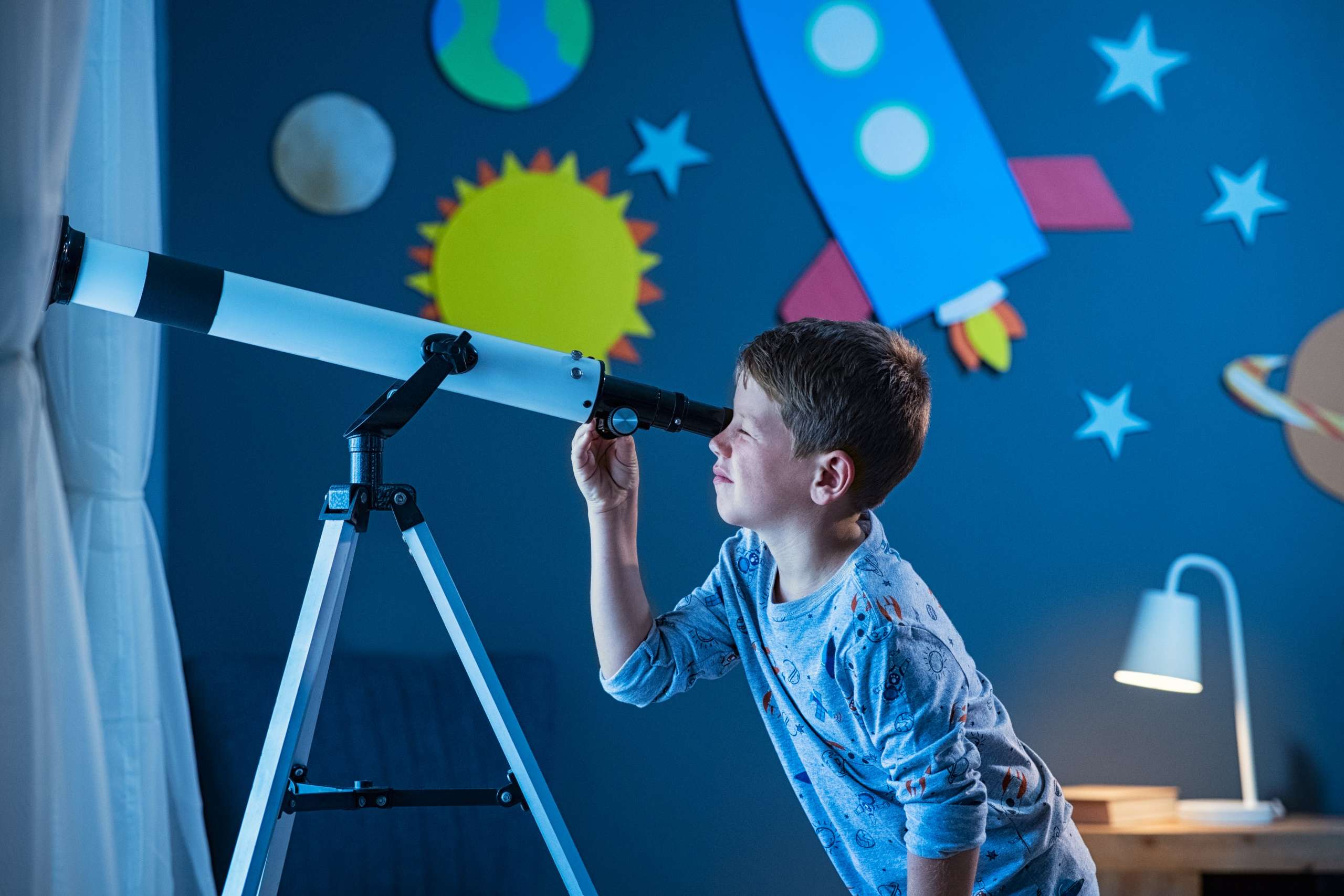
Astronomy is one of the best science hobbies for families. Children often enjoy space themes, and stargazing can become a bonding experience.
Parents can start with simple activities such as identifying the moon, finding the brightest star, or spotting a planet. Using apps makes it interactive and fun.
Space-themed crafts and educational videos also help younger children stay interested. Building a solar system model or creating constellation drawings makes learning playful.
For teenagers, astronomy can connect to real science education. They can learn about physics, chemistry, and technology through space topics.
Family stargazing nights can become special traditions. They encourage curiosity, patience, and appreciation of nature.
For those looking for practical lifestyle ideas for learning and relaxing at home, astronomy offers both education and calm entertainment without needing expensive equipment.
Conclusion
Studying astronomy at home is one of the most rewarding ways to explore science without needing formal education or expensive facilities. By learning the basics of the night sky, setting up a comfortable stargazing space, and using beginner-friendly tools like binoculars and stargazing apps, anyone can start building real knowledge step by step. Online courses, documentaries, and space agency resources make it easier than ever to study astronomy at a personal pace, while simple routines such as tracking the moon and learning constellations create long-term consistency. Astronomy also works beautifully as a family activity, turning evenings into meaningful learning experiences that inspire curiosity and connection. The key is keeping the hobby realistic and enjoyable rather than overwhelming. With the right balance of observation, learning, and comfort, home astronomy becomes more than just looking at stars—it becomes a personal journey into understanding the universe. Whether someone studies casually or develops deeper interest over time, astronomy at home offers endless discovery, peace, and wonder right from the comfort of one’s own space.